
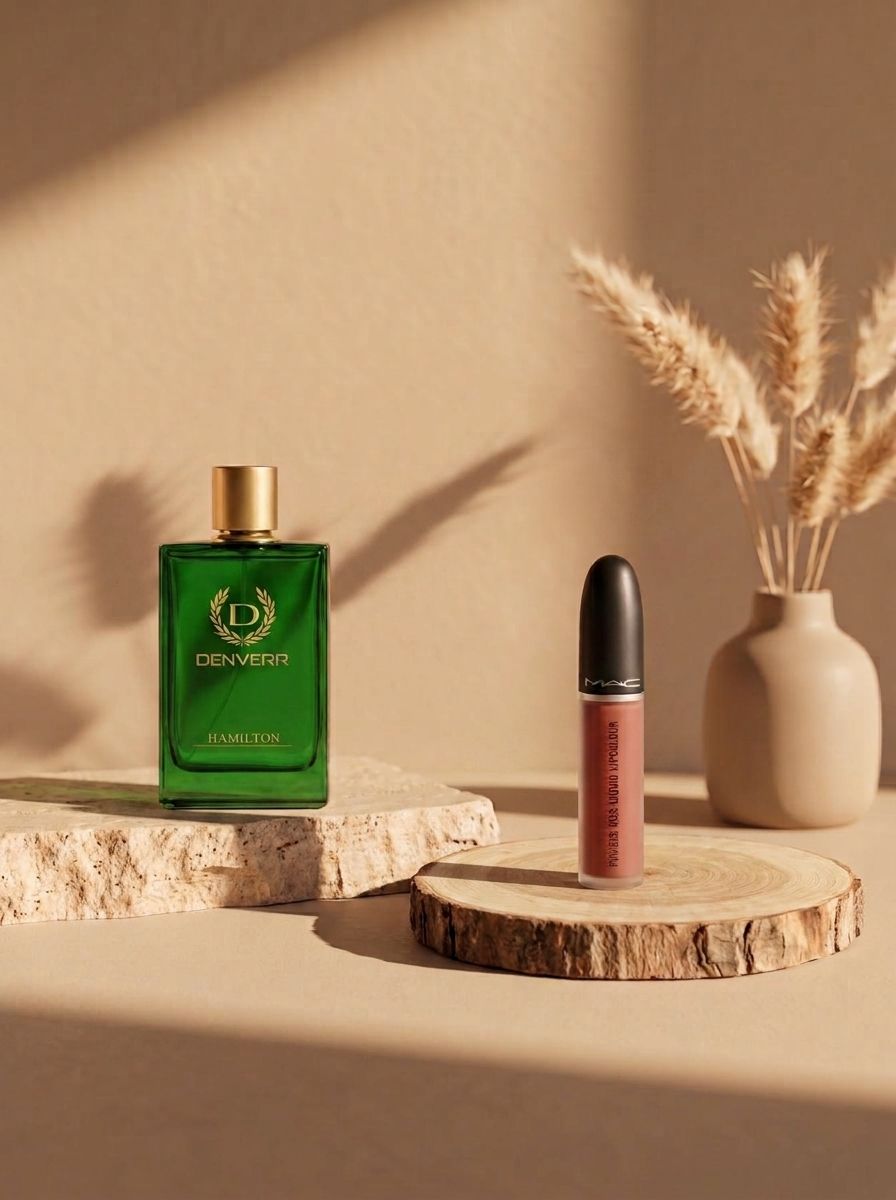
Cosmetics and perfume are two of the most visually demanding product categories in ecommerce. Both involve packaging with multiple surface types in a single product. Glass, metal, plastic, and liquid. Each reflecting and refracting light differently. Getting one image right in a traditional studio requires a photographer who understands material physics, a controlled lighting setup, diffusers, reflectors, and significant post-production time.
AI product photography has changed what's possible here. You no longer need a full studio setup to produce images that look like they came from one. But the category-specific challenges of cosmetics and perfume don't disappear just because you're using AI. They move to a different part of the process. Understanding what those challenges are, and how a well-trained AI platform handles them, is what separates a professional output from a generic one.
Why Cosmetics and Perfume Are Harder to Photograph Than Most Products
[H3]
Glass Reflects Everything
A perfume bottle is essentially a mirror in a box. The glass refracts the colored liquid inside, reflects the surrounding environment, and catches every light source in the room. In a traditional studio, photographers use backlighting or side lighting to manage this. A bright card behind the bottle lets the liquid glow and separates it from the background. Front light alone makes glass look flat and loses the depth that makes a bottle look premium.
The cap is often the hardest part. A metal or mirrored cap will catch the entire room if not carefully controlled with flags or bounce cards. For AI-generated cosmetics and perfume photography, the platform needs to understand how these surfaces behave under different light conditions. Not apply a generic product lighting template to a bottle shape.
Multiple Materials in One Product
Most cosmetics photos involve a combination of surface types in a single image. Matte black packaging alongside a shiny glass jar, a metallic cap on a frosted bottle, a cream product beside its reflective container. Each material needs different lighting treatment. Matte surfaces need directional light to show texture. Shiny and glass surfaces need diffused light to avoid hotspots. Liquid needs backlighting to show colour accurately.
A photographer managing this in a studio adjusts lighting for each combination. An AI platform trained on cosmetics and beauty categories handles this automatically. Recognising the material mix and applying the right lighting logic per surface type. A general-purpose image generator treats all product surfaces the same way, which is why it consistently underdelivers on beauty categories.
Colour Accuracy Is Non-Negotiable
In cosmetics, colour is the product. A lipstick photographed with a warm-toned light source will shift the red. A foundation bottle with the wrong white balance will make the product look a different shade than it actually is. A customer who orders based on a photo that doesn't accurately represent the colour will return the product.
Different lights carry different undertones which impact the look of cosmetic photography. A warm light can make photos look more yellow than they would under natural light. Colour accuracy in AI-generated cosmetics photography requires the platform to render the product's actual colour correctly under the chosen lighting environment, not approximate it.
Perfume Has to Sell a Feeling
A shopper cannot smell your fragrance through a screen. The photo and the bottle have to do that job. This is what makes perfume photography different from almost every other product category. The image isn't just showing what the product looks like, it's communicating what using it feels like.
A light floral fragrance needs soft, diffused lighting and an airy context. A dark woody cologne needs deeper shadows, harder contrast, and a richer environment. AI platforms that handle perfume photography well understand this tonal logic. The visual language of fragrance categories and generate contextual environments that match the mood the brand is trying to communicate.
If you want to understand the full process of creating AI product images from a single upload, here's a step-by-step guide to creating AI-generated product photoshoots for ecommerce.
What AI Product Photography Does for Cosmetics and Perfume Brands
From One Bottle Photo to a Full Visual Campaign
This is the most significant practical shift AI brings to cosmetics and perfume brands. Traditionally, creating image variations like the same fragrance in a moody dark setting, a clean white catalog shot, or a lifestyle scene with props required multiple setups or multiple shoot days.
In niches like perfume or skincare, where bottles look nearly identical but need dozens of aesthetic variations like moody, minimal, floral, luxe. AI lets you tweak the visual approach without reshooting everything. Upload one clean product photo. Generate a white background catalog shot for Amazon. Generate a mood scene for Instagram. Generate a lifestyle image for your brand website. All from the same source image, in minutes.
Consistent Visual Identity Across a Full Range
For cosmetics brands managing multiple SKUs, foundations, serums, lipsticks, and eye products, visual consistency across the full range is what makes a brand look deliberate rather than assembled from parts. AI photography applies the same lighting logic, background treatment, and overall visual style to every product in the range. The result is a catalog that looks like it was shot in one session, regardless of how many products you're generating images for.
Speed to Market for New Launches
Beauty and fragrance brands launch frequently. Seasonal collections, limited editions, collabs, reformulations. Each new product needs images. Waiting weeks for a studio shoot slot during a product launch window is a real commercial cost. AI photography means new product images are available the same week the product is ready.
Lifestyle and Context Images Without Prop Sourcing
A skincare product on a marble bathroom counter with soft morning light. A perfume bottle in a styled vanity setting with warm gold accents. A cosmetics palette in a flat lay with complementary textures. These contextual images drive social media engagement and conversion on brand websites. And they traditionally require sourcing props, booking a location, and coordinating a photographer.
AI generates these contexts directly from your product image. If you want to understand why high-quality contextual images improve conversion rates, this breakdown of how product images affect ecommerce sales is worth reading.
How to Get the Best Input Photo for AI Cosmetics and Perfume Photography
The AI builds the environment around your product. The product detail itself comes from your input photo. The quality of that input directly affects the quality of the output.
Step 1 : Clean the Product Thoroughly
Glass and reflective surfaces show fingerprints that a camera captures even when invisible to the naked eye. Wipe every surface with a clean microfiber cloth before shooting. For perfume bottles, wear lint-free gloves during handling. One fingerprint on the bottle will appear in your input photo and carry through to the AI-generated output.
What to watch for on cosmetics packaging
Multi-component cosmetics packaging, a jar with a separate lid and a palette with a mirror inside should be assembled. And should be cleaned as a complete unit before shooting, not piece by piece.
Step 2 : Shoot on a Plain Neutral Background
A white or light grey surface works well for most cosmetics and perfume products. Avoid coloured backgrounds. They reflect onto glass and shift the colour of the liquid inside. Avoid patterned surfaces that will appear as unwanted reflections in the bottle.
Step 3 : Use Diffused Natural Light From the Side
Place your product near a window with indirect natural light. Not direct sunlight. Position the light source to the side rather than directly in front. Side lighting is most effective for metal and clear or coloured glass because reflections are less noticeable along the edges of the product.
If the cap is creating a harsh reflection, angle it slightly or place a white card between the light source and the cap until it reads cleanly.
[H4]
For cosmetics with matte surfaces
Matte packaging, powder compacts, cardboard tubes and fabric-covered boxes benefit from softer, more direct light than glass does. If your product combines matte and glass elements, position the light to favour the glass surface and the matte areas will generally follow.
Step 4 : Capture Multiple Angles
A front-on shot, a three-quarter angle, and a close-up of any label or design detail. For cosmetics with product content like an open palette, a lipstick wound up, or a cream in the jar capture the product in use alongside the closed packaging. These additional angles give the AI more to work with and give you more output variety from the same session.
Step 5 : Check Colour Accuracy Before Uploading
View your input photo on a calibrated screen if possible. Amber, rose, and pale gold all shift under the wrong white balance, and colour is a real reason customers return beauty products. If the colour in your input photo doesn't match the actual product, adjust the white balance before uploading.
What AIVX Studio Generates for Cosmetics and Perfume
AIVX Studio handles cosmetics and perfume as a category-specific workflow. Not a generic product photography process applied to a bottle shape.
Clean Catalog Images
White or neutral background product shots formatted for major marketplaces. Amazon, Sephora, Nykaa, and other beauty retail platforms. The product detail, label, and packaging design are preserved accurately from the input photo.
Mood and Lifestyle Scenes
Contextual images matched to the fragrance character or product positioning. Minimal and editorial for contemporary brands, warm and rich for luxury fragrances, fresh and clean for skincare. The background environment and lighting mood are all generated around your product.
Flat Lay Compositions
Beauty and cosmetics perform well in flat lay format. Overhead shots on marble, silk, linen, or dark stone surfaces that communicate the product's positioning. AIVX Studio generates flat lay compositions placing your product in styled surface contexts matched to the brand tier.
Product Video
Short video clips from the same uploaded product image suitable for Instagram Reels, TikTok, YouTube Shorts, and marketplace listing videos. For fragrance especially, where the brand story matters, a short product video communicates something a still image alone cannot. For more on why product video drives stronger results than stills alone, here's a breakdown of why short product videos improve engagement and sales.
The Fragrance and Cosmetics Market Context
The global fragrance and perfume market is a large and growing category with a significant and increasing share being purchased online. By customers who will never sample the product before buying.
When smell is removed from the buying decision entirely, the visual becomes the primary argument for purchase. Research in the field of packaging design consistently shows that visual elements of packaging shape purchase intention in measurable ways. Though I'd recommend verifying specific study citations directly rather than relying on secondhand references.
For cosmetics and fragrance brands selling online, investment in professional-quality product images is not a marketing preference. It's a direct commercial decision that affects whether a customer buys, and whether they keep what they bought.
Frequently Asked Questions
Why is perfume photography so difficult compared to other products?
Perfume bottles combine glass, coloured liquid, and metal or mirrored caps. Each with different surface properties that react to light differently. Glass refracts and reflects the surrounding environment. Metal caps mirror the entire studio. Coloured liquid shifts under incorrect white balance. Managing all three in one image requires controlled, diffused lighting and careful angle management. All of which a category-trained AI platform handles without manual studio setup.
Does AI photography accurately preserve the colour of cosmetics products?
On a platform trained specifically on beauty and cosmetics categories, yes. The AI works from your input photo as the colour reference and preserves the product's actual colour in the generated output. The quality of your input photo matters. A photo shot under incorrect lighting with a colour shift will carry that shift into the output. Shoot your input image in neutral, diffused natural light and check colour accuracy before uploading.
Can I generate lifestyle and mood images for a fragrance brand using AI?
Yes. AIVX Studio generates contextual environments around your product. From minimal and editorial settings to warm, moody, or aspirational scenes. Matched to the character of the fragrance. This replaces the need to source props, book locations, or set-build for lifestyle shoots.
How many images can I generate from one product upload?
You can generate multiple output types from a single product upload. A clean catalog shot, a lifestyle scene, a flat lay composition, and a video clip. Each is generated from the same source image with different environment settings applied.
Will AI-generated cosmetics images meet Amazon and Sephora marketplace requirements?
Yes. AI-generated images export as standard high-resolution JPG or PNG files. Background, dimensions, and resolution are all adjustable for different platform requirements before downloading.
Is AI product photography suitable for premium and luxury fragrance brands?
Yes. Provided the platform generates high-resolution outputs with accurate surface rendering and premium context environments. AIVX Studio handles luxury fragrance positioning through editorial-quality lighting treatments and aspirational background environments that reflect the brand tier rather than defaulting to a generic product template.
Do I need a professional camera to take the input photo?
No. A clear smartphone photo on a plain neutral background in diffused natural light is sufficient for most cosmetics and perfume products. For detailed label work or complex bottle designs, a closer, sharper input image produces better output. AI builds the environment. It cannot recover product detail that wasn't captured in your input photo.
Can AIVX Studio generate flat lay compositions for a cosmetics range?
Yes. Flat lay images. Styled overhead shots with surface textures and contextual props are a supported output type. You can generate flat lay compositions for individual products and for range collections showing multiple products together.
Does AIVX Studio generate video for cosmetics and perfume products?
Yes. Product videos are generated from the same uploaded image. Short clips suitable for Instagram Reels, TikTok, and marketplace listing videos.
Is there a free trial available?
Yes. AIVX Studio offers a free trial with no setup required. Upload one cosmetics or perfume product image and generate your first AI product photo before subscribing to anything.
The Straightforward Summary
Cosmetics and perfume are product categories where image quality has an outsized impact on whether someone buys. Because the physical experience of the product is completely absent from the buying process. The visual has to do all of the work.
Traditional photography handles this well but slowly and expensively. AI product photography on a platform trained specifically for these categories handles it accurately, quickly, and at a cost structure that makes professional-quality imagery viable for brands at any scale.
The surface challenges of glass, metal, liquid, and mixed materials don't disappear with AI. They move to the training layer of the platform. Which is why category-specific training matters more here than in almost any other product type.
For a broader look at how AI is changing product photography across all ecommerce categories, this overview of the best AI platforms for product photoshoot editing covers the full landscape.
Try AIVX Studio free - upload one cosmetics or perfume product image and generate your first professional AI product photo today.